Monday to Saturday - 8:00 -17:30
The Yarn Weight Guide Every Knitter and Crocheter Needs
Choosing the wrong yarn weight is one of the most common reasons a finished project disappoints. This guide helps you get it right from the start.
Understanding yarn weight means understanding how thickness, needle size, and stitch gauge all work together to produce the result you are after.
What Yarn Weight Actually Means
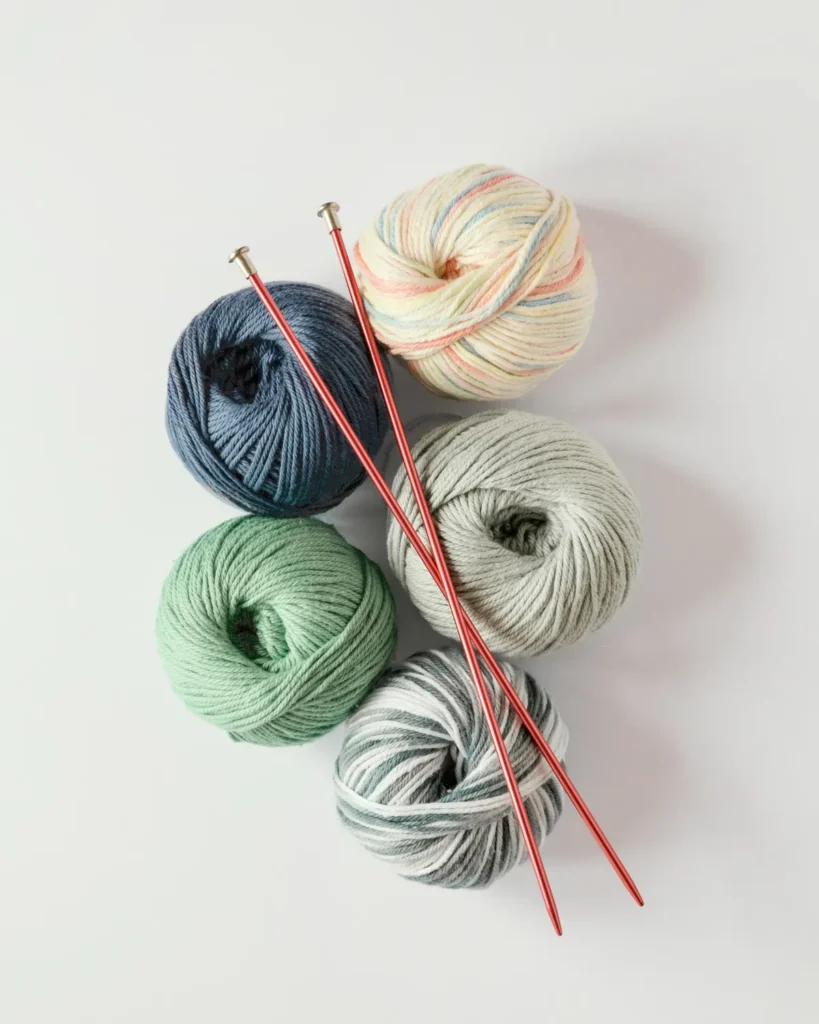
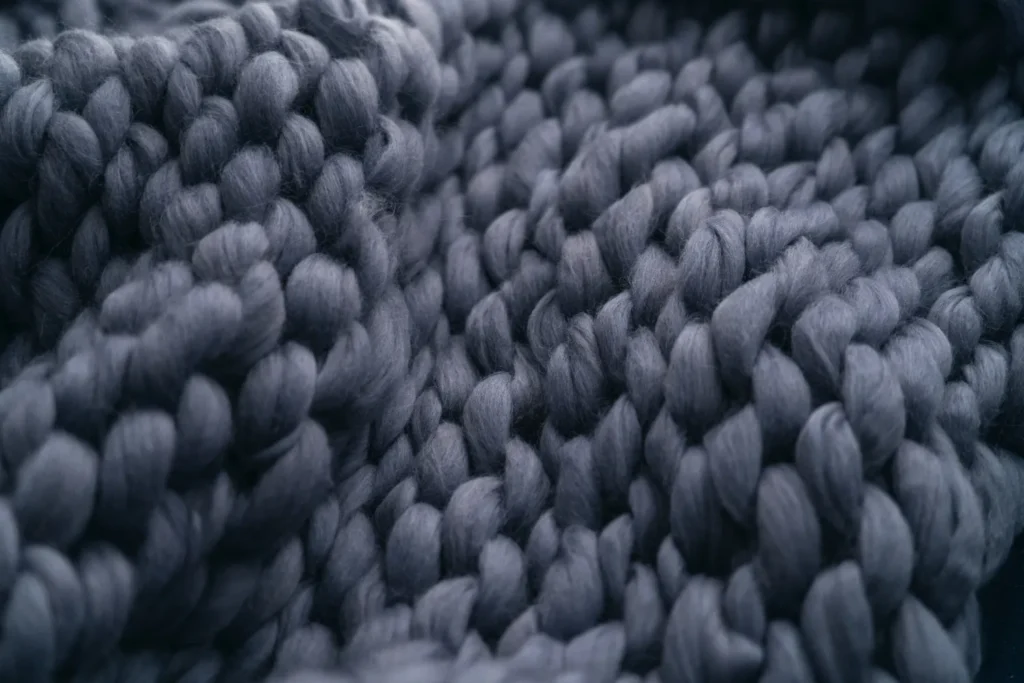
Yarn weight refers to the thickness of the yarn strand, not how heavy the skein is on a scale. Thicker yarn knits up faster and creates a denser fabric, while finer yarn produces delicate, lightweight results.
Every pattern specifies a recommended weight. Matching that weight correctly is the single most reliable way to hit the gauge your pattern expects.
The Standard Yarn Weight System
Craft Yarn Council organizes yarn into numbered categories from 0 to 7. Each category has a name, a typical gauge range, and recommended needle or hook sizes.
Knowing where your yarn falls in this system tells you immediately which projects it suits and how it will behave on the needles.
Fiber type also plays a role. What is merino wool doing differently than cotton at the same weight? Merino adds warmth and elasticity. Cotton gives structure and drape. Understanding both weight and fiber helps you make better choices.
A Breakdown of Every Yarn Weight Category
Weight 0: Lace
Lace weight is the finest category, often used for shawls, doilies, and intricate worked pieces. It typically requires needles in the 1.5 to 2.25 mm range.
Weight 1: Fingering or Sock
Fingering weight is the go-to for hand-knit socks, lightweight accessories, and detailed colorwork. It works on needles from 2.25 to 3.25 mm and produces a fine, durable fabric.
Weight 2: Sport
Sport weight sits between fingering and DK. It suits lightweight sweaters, baby items, and accessories where you want a bit more substance without bulk.
Weight 3: DK or Light Worsted
DK is one of the most versatile weights. It works up quickly enough for garments but retains enough detail for textured patterns. A popular choice across types of knitting yarn.
Why Gauge Matters More Than You Think
Gauge is the number of stitches and rows that fit within a standard measurement, usually 10 cm or 4 inches. It changes with yarn weight, needle size, fiber content, and your personal tension.
Always swatch before starting a garment. A half-stitch difference per inch adds up to several inches across the width of a sweater.
Wool vs Acrylic Yarn Across Different Weights
Natural fiber yarn like merino wool behaves differently than acrylic at the same weight. Wool has memory and elasticity. Acrylic is consistent and forgiving of uneven tension.
For learning and practice, acrylic is economical. For projects you plan to wear long-term, natural fibers tend to hold their form and feel better over time.
How to Dye Yarn and How Weight Affects the Result
If you are exploring how to dye yarn at home, weight matters. Finer yarns like lace and fingering absorb dye differently than chunky or bulky weights.
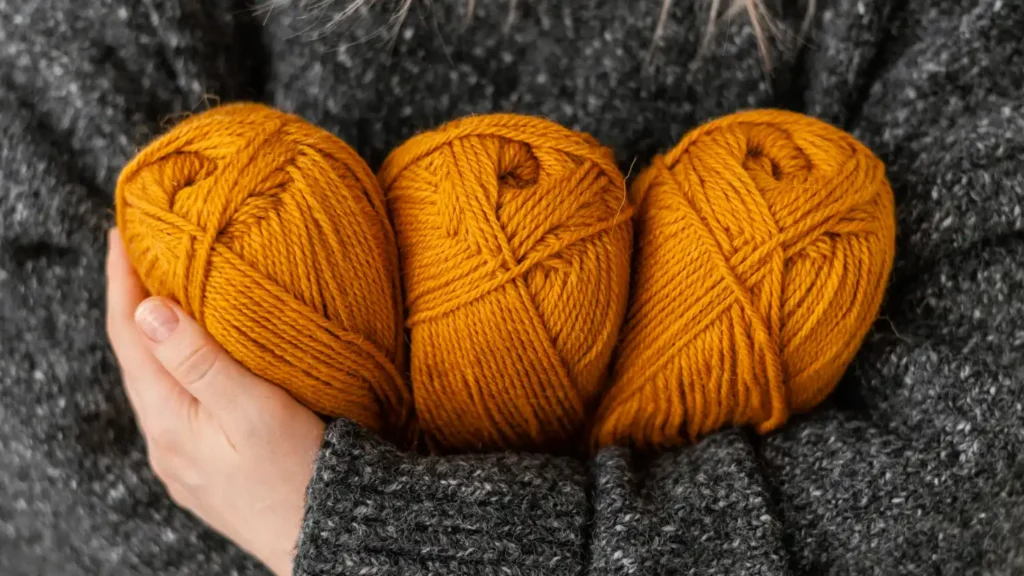
Thinner strands allow dye to penetrate evenly. Thicker skeins require more careful handling to ensure consistent color throughout the skein.
Knowing your yarn weight helps you plan your dyeing process and predict how your finished skein will look.
Stay Informed
Our Latest News
Match Your Weight to Your Project Every Time
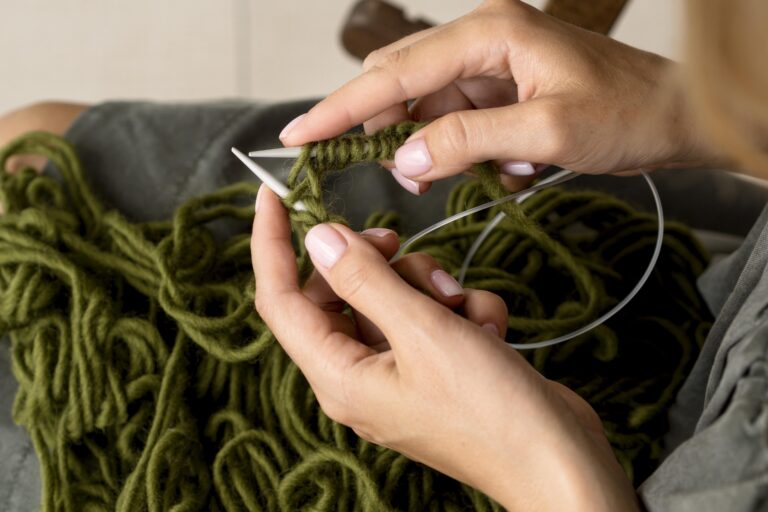
Use this guide as a reference whenever you start something new. Check your pattern’s recommended weight, swatch to confirm gauge, and consider the fiber alongside the thickness.
The right yarn weight makes every project easier to execute and more satisfying to finish.